A classic Kenya safari circuit combining elephant-studded plains beneath Mount Kilimanjaro, Rift Valley lake ecosystems, rhino conservation landscapes, and the predator-rich savannahs of the Maasai Mara, offering one of East Africa’s most complete wildlife journeys.
Overview
This itinerary follows a carefully structured ecological transition from southern elephant plains into Rift Valley lake systems and finally into expansive savannah ecosystems.
It is designed to maximise biodiversity exposure across Kenya’s most iconic safari destinations, beginning with Amboseli’s elephant-dominated wetlands, moving through Naivasha’s freshwater ecosystem, Nakuru’s rhino sanctuary and bird-rich alkaline lake, and ending in the Maasai Mara’s predator-heavy grasslands where wildlife density is among the highest in Africa.
Each destination offers a distinct ecological identity, ensuring continuous variation in scenery, wildlife behaviour and photographic opportunities throughout the journey.
Trip Highlights
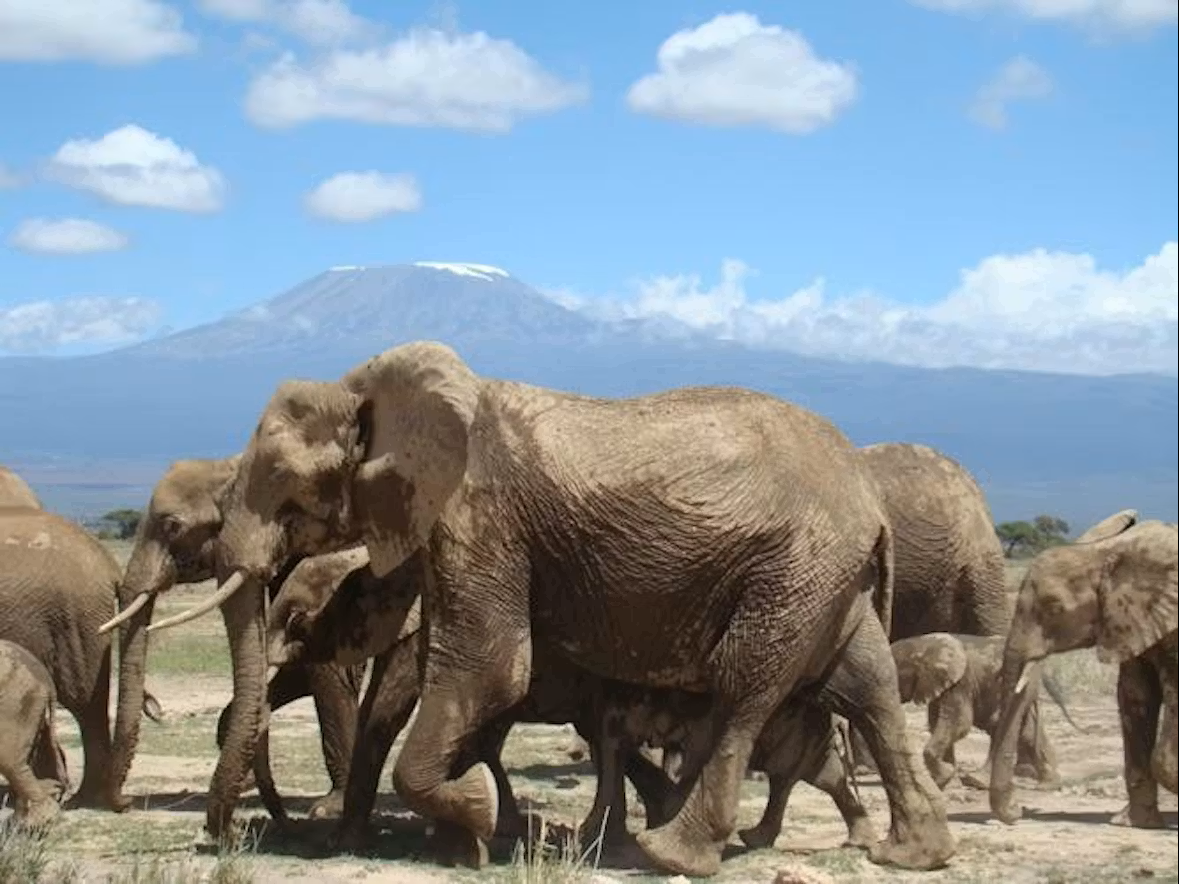
- Iconic elephant herds with Mount Kilimanjaro backdrop
- Predator-rich plains of Amboseli including lions and hyenas
- Hippo and birdlife ecosystem at Lake Naivasha
- Boat safari and Crescent Island walking experience
- Rhinoceros sanctuary experience at Lake Nakuru
- Flamingo and pelican birding (seasonal variation)
- Giraffe, buffalo and lion sightings in acacia woodland
- Big Five safari experience in Maasai Mara
- Mara River ecosystem with crocodiles and hippos
- High density predator encounters including cheetahs and leopards
- Optional hot air balloon safari over the savannah
Itinerary
This safari begins in the iconic elephant territory of Amboseli National Park, where vast herds move across open plains framed by Mount Kilimanjaro’s snow-capped peak, before ascending into the Great Rift Valley to explore the freshwater ecosystem of Lake Naivasha and the rhino sanctuary of Lake Nakuru National Park, and finally culminating in the legendary wilderness of Maasai Mara National Reserve, where endless savannahs host Africa’s most dramatic predator-prey interactions.
Distance: Approx. 240 km
Drive Time: Approx. 4 - 5 hours
06:30 - 08:00 | Departure from Nairobi and Scenic Drive South
Depart Nairobi and begin your journey toward the southern plains of Amboseli, passing through bustling outskirts that gradually dissolve into open savannah, Maasai homesteads, and acacia-dotted landscapes where cattle grazing becomes a dominant feature of the scenery.
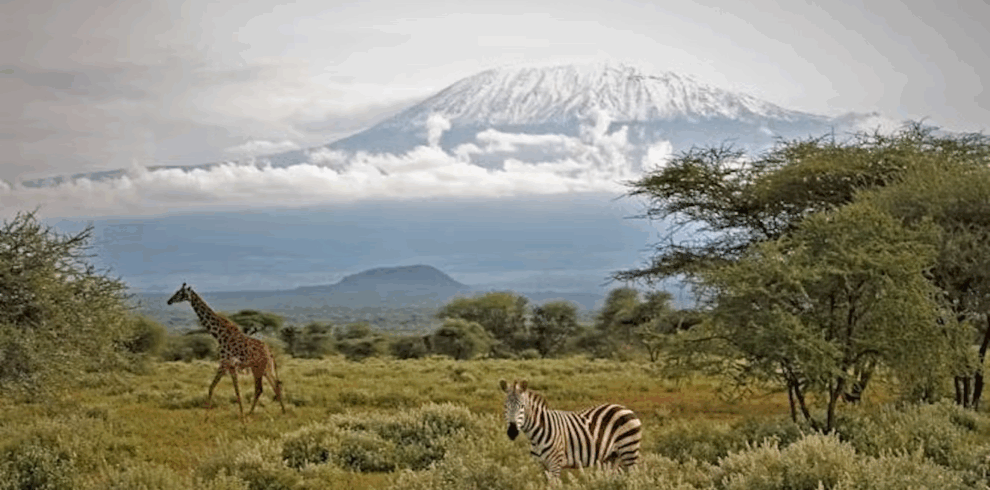
As the drive continues, the horizon opens dramatically, and Mount Kilimanjaro begins to appear in the distance, often partially veiled in cloud but increasingly dominant as you approach the park boundary.
12:30 p.m. | Arrival and Lunch at Amboseli
Arrive at Amboseli National Park and check into your lodge, where expansive views of elephant-rich plains immediately introduce you to the park’s ecological character.
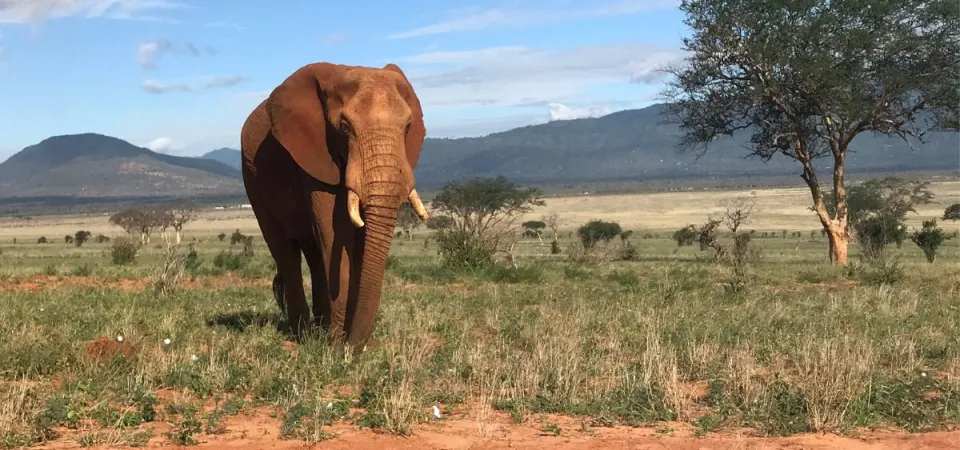
Wildlife is often visible from the lodge itself, including elephants, zebras, giraffes and antelope moving across open terrain.
03:30 - 06:30 | Afternoon Game Drive - Elephant Plains and Wetland Ecosystems
Amboseli reveals a striking contrast between dry dusty plains and lush green marshlands fed by underground water from Kilimanjaro.
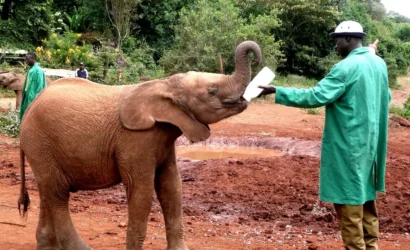
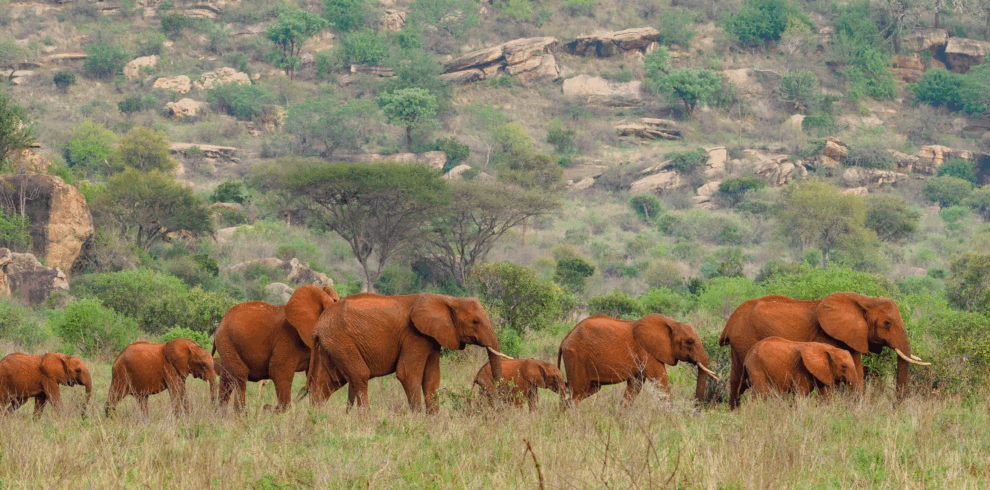
Large elephant herds dominate the landscape, often moving in structured family groups, with calves protected at the centre as matriarchs lead the herd between feeding zones.
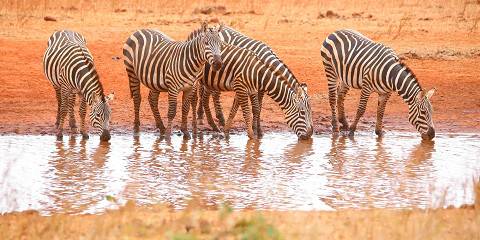
Buffalo congregate in large herds near wetlands, while zebras and wildebeest graze in mixed groups across open grasslands.
Giraffes move slowly through acacia stands, feeding on high branches, while lions are frequently seen resting near marsh edges where prey density is highest.
Hyenas and jackals patrol peripheries, and birdlife thrives in wetland zones, including pelicans, herons and African fish eagles.
19:30 - 21:00 | Dinner and Overnight
Dinner is served in a tranquil lodge setting where the silhouette of Kilimanjaro may be visible at sunset, and nocturnal sounds of the bush create a continuous natural ambience. Overnight stay at the accommodation of your choice from the options below.
Option 1: Budget Rhino Tourist Camp | Lenchada Tourist Camp | Mara Ntulele Camp | Enchoro Wildlife Camp | Sunset Camp Masai Mara | Greenwood Safari Camp
Option 2: Standard Jambo Mara Safari Lodge | Aruba Mara Camp | Osero Camp | Enkorok Mara Camp | Simba + Oryx Nature Camp
Option 3: Luxury Mara Sopa Lodge | Sentrim Maasai Mara | AA Lodge | Sekenani Camp
Option 4: Above Luxury Sarova Mara Game Camp | Ashnil Mara Camp | Muthu Keekorok Lodge | Mara Serena Safari Lodge | Mara Simba Lodge | Fig Tree Camp
Optional Activities (at Extra Cost):
-Maasai cultural village visit
-Guided nature walk
Distance: Approx. 350 - 400 km
Drive Time: Approx. 6 - 7 hours
06:30 - 08:30 | Early Morning Game Drive and Kilimanjaro Sunrise
Begin the day with a final Amboseli game drive, where golden sunrise light illuminates elephants crossing open plains and lions returning from night hunts.
Hyenas move silently across grasslands, while giraffes and zebras feed in calm early morning conditions.
08:30 - 09:30 | Breakfast
Return to lodge for breakfast before departure.
10:00 a.m. - 02:30 p.m. | Scenic Rift Valley Transit
Depart Amboseli and travel north through Kenya’s evolving geography, transitioning from semi-arid savannah into fertile highlands and finally descending into the dramatic escarpments of the Great Rift Valley, where layered cliffs, volcanic formations and expansive lakes define the landscape.
03:30 - 06:30 | Arrival at Lake Naivasha - Freshwater Wildlife Encounter
Arrive at Lake Naivasha, a freshwater ecosystem surrounded by dense acacia woodland and volcanic terrain.
Hippos are commonly seen along the shoreline, surfacing periodically as fish eagles patrol the skies above before diving into the lake for prey.
Giraffes, zebras and waterbucks frequently move through lodge grounds, creating a relaxed, open wildlife experience where animals are often seen at close range outside traditional game drive settings.
19:30 - 21:00 | Dinner and Overnight
Dinner is served lakeside as hippos grunt in the distance and nocturnal birdlife becomes active across the shoreline. Enjoy overnights stay at the accommodation of your choice from the options below.
Options 1 : Budget | Hotel Chambai Safari
Options 2 : Standard | Panorama Hotel
Options 3 : Luxury | Naivasha Crescent Camp
Optional Activities (at Extra Cost):
-Boat safari on Lake Naivasha
-Crescent Island walking safari
-Hell’s Gate cycling safari
-Birdwatching experience
Distance: Approx. 70 - 100 km
Drive Time: Approx. 2 - 3 hours
06:30 - 08:00 | Lakeside Morning and Departure
Early morning reveals calm waters, grazing hippos and highly active birdlife across the lake edge as the day begins.
Depart Naivasha and ascend through the Rift Valley escarpment toward Nakuru.
09:30 a.m. - 01:30 p.m. | Scenic Drive to Lake Nakuru
Arrive at Lake Nakuru National Park, where acacia woodland and grassland ecosystems surround a soda lake known for its ecological diversity.
01:30 p.m. | Arrival and Lunch
Check into lodge and enjoy lunch overlooking the park’s escarpments and surrounding forests.
03:30 - 06:30 | Afternoon Game Drive - Rhino Sanctuary and Birdlife
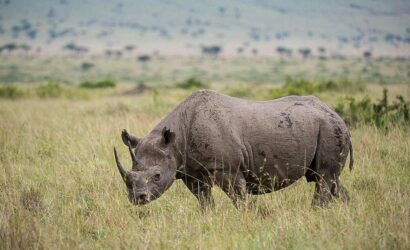
Lake Nakuru is one of Kenya’s most important rhino sanctuaries, where both black and white rhinos are commonly seen grazing in open grasslands.
Lions are frequently observed resting in trees or shaded thickets, while buffalo move in large herds across open plains.
Giraffes browse among yellow-barked acacia trees, and baboons are often seen along road networks.
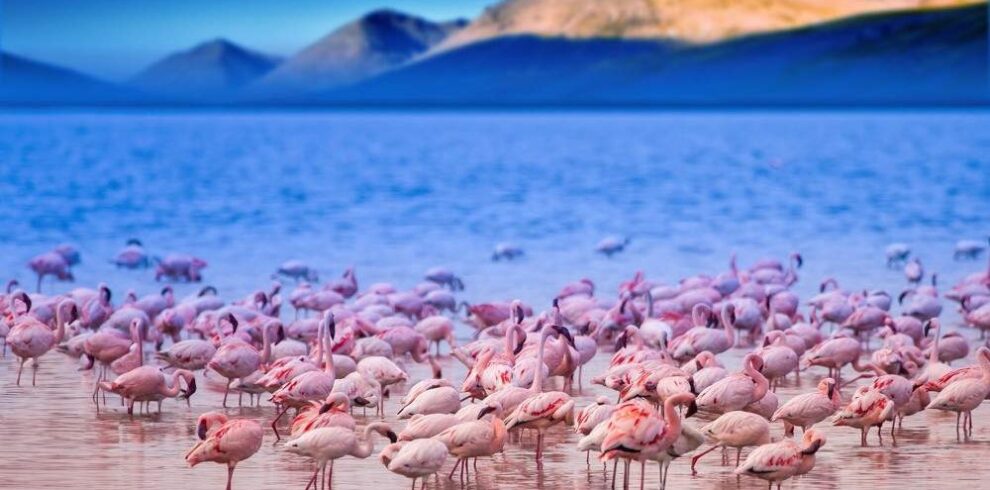
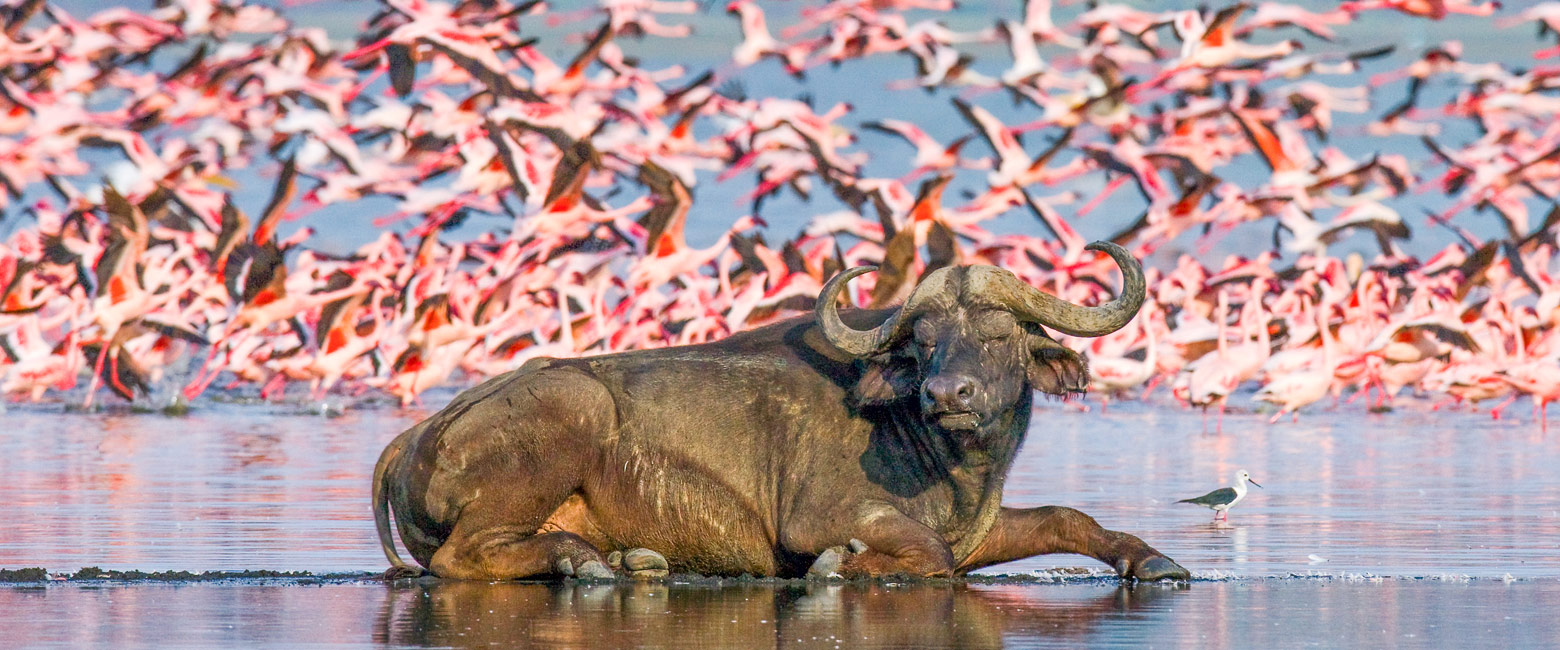
The lake edge hosts pelicans, cormorants and seasonal flamingos, creating one of Kenya’s most visually striking birding environments.
19:30 - 21:00 | Dinner and Overnight
Dinner is served in a peaceful lodge setting surrounded by Rift Valley night sounds. Overnight stay at the accommodation of your choice from the options below.
Option 1 : Standard | Lake Nakuru Lodge | Flamingo Hill Camp
Option 2 : Luxury | Lake Nakuru Sopa Lodge | Sarova Lion Hill
Option 3 : Above Luxury | The Cliff, Nakuru
Optional Activities (at Extra Cost):
-Birdwatching walks
-Nature photography sessions
Distance: Approx. 230 km
Drive Time: Approx. 5 - 6 hours
06:30 - 08:00 | Early Morning Game Drive and Breakfast
Early morning game drive reveals rhinos grazing, giraffes feeding and predators still active before retreating.
Return for breakfast before departure.
09:30 a.m. - 01:30 p.m. | Scenic Transfer to Maasai Mara
Depart Lake Nakuru and travel toward Maasai Mara National Reserve through rolling plains and Maasai homelands where cattle grazing and traditional settlements define the cultural landscape.
01:30 p.m. | Arrival and Lunch
Arrive at camp and enjoy lunch overlooking expansive savannahs.
03:30 - 06:30 | First Mara Game Drive
Wildebeest, zebras and gazelles dominate the plains.
Elephants move in structured herds, giraffes traverse open terrain, and predators including lions, cheetahs and hyenas define the ecosystem’s balance.
19:30 - 21:00 | Dinner and Overnight
Dinner and overnight stay under the savannah night sky at the accommodation of your choice from the options below.
Option 1: Budget | Rhino Tourist Camp | Lenchada Tourist Camp | Mara Ntulele Camp | Enchoro Wildlife Camp | Sunset Camp Masai Mara | Greenwood Safari Camp
Option 2: Standard | Jambo Mara Safari Lodge | Aruba Mara Camp | Osero Camp | Enkorok Mara Camp | Simba + Oryx Nature Camp
Option 3: Luxury | Mara Sopa Lodge | Sentrim Maasai Mara | AA Lodge | Sekenani Camp
Option 4: Above Luxury | Sarova Mara Game Camp | Ashnil Mara Camp | Muthu Keekorok Lodge | Mara Serena Safari Lodge | Mara Simba Lodge | Fig Tree Camp
Optional Activities (at Extra Cost):
-Maasai village visit
-Sundowner experience
06:30 - 08:30 | Early Morning Game Drive - Predator Activity at Sunrise
Begin the day in the vast wilderness of Maasai Mara National Reserve as the first light spreads across endless savannah plains.
The early morning hours reveal one of the most active wildlife periods in the ecosystem, when predators are still mobile after night hunting and herbivores begin grazing in the cool air.
Lions are frequently observed moving in pride formations, often returning from successful hunts or resting near tall grass where cubs play under the protection of adults. Hyenas patrol territorial boundaries in organised clans, their vocalisations echoing across the plains, while cheetahs position themselves on elevated mounds scanning for early prey movement. Leopards, though elusive, may occasionally be spotted retreating into acacia woodland after nocturnal activity.
08:30 - 09:30 | Breakfast - Bush Experience or Camp Return
Return to lodge for breakfast or enjoy a bush breakfast depending on wildlife positioning and game drive routing.
The surrounding ecosystem remains alive with movement, as distant calls of baboons, hornbills and other bird species fill the morning atmosphere.
10:00 - 13:00 | Extended Mid-Morning Game Viewing - River Systems and Migration Plains
Continue deeper into the reserve, exploring riverine ecosystems, open plains and mixed woodland habitats.
At the Mara River system, pods of hippos remain partially submerged in deep pools while massive Nile crocodiles lie motionless along muddy banks, conserving energy while observing movement patterns along the water’s edge.
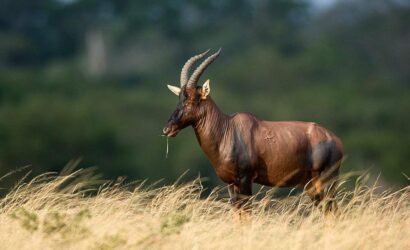
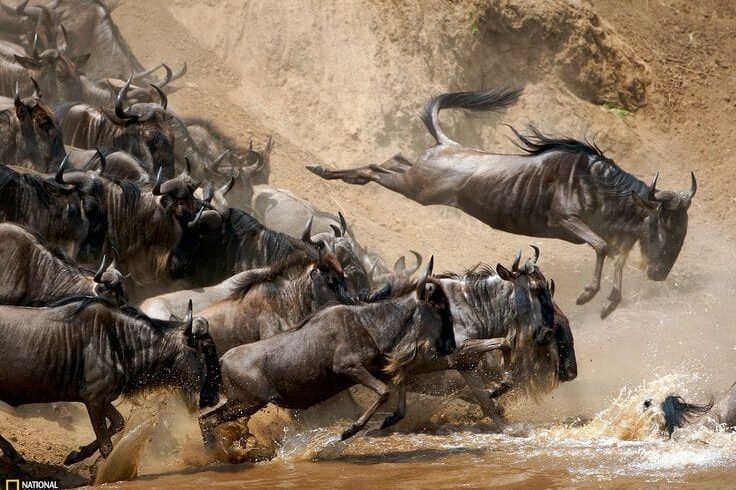
Water-dependent herbivores such as topi, waterbuck and impala cautiously approach riverbanks to drink, always alert to sudden predator emergence. During migration season, this region becomes a dramatic crossing point where thousands of wildebeest and zebras move in coordinated herds, driven by seasonal rainfall and grazing cycles.
Further inland, large elephant herds continue their structured movement patterns across grasslands, often accompanied by juveniles protected at the centre of the herd. Giraffes move gracefully through acacia woodland feeding at canopy level, while buffalo herds form dense protective formations across open terrain.
13:00 - 14:00 | Lunch - Scenic Wilderness Break
Pause for lunch at a designated picnic site or return to camp depending on route planning.
Midday heat causes wildlife to slow activity, with many species resting under shade, near water sources or in thicker vegetation, creating quieter but visually rich viewing conditions.
15:30 - 18:30 | Afternoon Game Drive - Deep Savannah Exploration
The afternoon safari explores less-travelled sections of the reserve, increasing the probability of encountering more complex predator-prey interactions.
Lions are often seen resting in shaded areas after morning hunts, their social structures visible in pride formations that include cubs, sub-adults and dominant males. Cheetahs take advantage of the slightly cooler temperatures to resume hunting activity in open grasslands, relying on speed and visibility. Hyenas continue territorial patrols and scavenging behaviour, often interacting with other predator species.
Elephants gather at watering points where bathing, drinking and social interaction occur simultaneously, often creating dynamic scenes involving dust bathing and calf protection behaviours. Zebras and wildebeest frequently converge at shared grazing areas, forming mixed herds that enhance predator detection efficiency.
Birdlife remains constant across the horizon, with vultures, kites and eagles circling in anticipation of potential feeding opportunities.
19:30 - 21:00 | Dinner and Overnight - Night Safari Atmosphere
Return to camp as the sun sets over the Mara, casting deep orange and red tones across the horizon.
Dinner is served in an open safari setting where the transition into nocturnal wildlife activity begins.
Enjoy overnight stay at the accommodation of your choice from the options below.
Optional Activities (at Extra Cost):
Hot air balloon safari at sunrise over the Mara plains
Maasai cultural village visit with traditional homesteads and performances
Private sundowner experience overlooking the savannah
06:30 - 08:30 | Morning Predator Circuit - Dawn Wildlife Activity
Begin the day with another immersive game drive in Maasai Mara National Reserve, where early light reveals ongoing predator and prey interactions across the ecosystem.
Lions may still be active from overnight movement, often returning to resting positions after feeding. Cheetahs utilise the open plains for early hunting opportunities, while hyenas continue scavenging and territorial movement. Leopards may be observed within dense vegetation or resting on tree branches after nocturnal activity.
08:30 - 09:30 | Breakfast - Return or Wilderness Setting
Return to camp or enjoy a bush breakfast depending on wildlife positioning and route planning.
The early morning remains rich with sound and movement, as birds dominate the sky and distant herbivore calls echo across the plains.
10:00 - 13:00 | Riverine Ecosystems and Wildlife Corridors
Continue exploration into river systems and transitional habitats where water availability strongly influences animal movement patterns.
At the Mara River ecosystem, hippos dominate deep pools while crocodiles remain partially submerged along riverbanks, creating one of the most concentrated predator-prey interface zones in Africa. Grazing herbivores approach cautiously, particularly during dry seasons or migration periods when access to water becomes critical.
During migration season, this area becomes a focal crossing point for massive wildebeest and zebra herds, often accompanied by heightened predator activity including lions, cheetahs and hyenas strategically positioned along movement corridors.
13:00 - 14:00 | Lunch - Midday Rest Period
Enjoy lunch at camp or within designated picnic areas.
The midday heat reduces animal movement, with most species retreating into shade, thickets or resting zones, creating a calm interlude within the safari rhythm.
15:30 - 18:30 | Final Full Game Drive - Deep Reserve Exploration
The final afternoon safari maximises exposure to diverse habitats across the reserve, including open savannah, woodland edges and water-dependent ecosystems.
Elephant herds continue their structured movement patterns, often crossing paths with giraffes feeding at acacia canopies. Lions are frequently observed in rest mode after extended hunting cycles, while cheetahs take advantage of open plains for final hunting attempts of the day. Hyenas maintain active territorial monitoring, often interacting with other predator species in complex ecological relationships.
Birdlife remains highly visible, particularly vultures, raptors and ground-dwelling species that respond to shifting thermals and feeding opportunities across the plains.
19:30 - 21:00 | Dinner and Overnight
Return to camp for the final night in the Maasai Mara.
Dinner is served in an atmospheric safari setting where the sounds of nocturnal wildlife, distant lion calls and hyena movements create a powerful final immersion into the ecosystem.
Enjoy overnight stay at the accommodation of your choice from the options below.
Option 1: Budget Rhino Tourist Camp | Lenchada Tourist Camp | Mara Ntulele Camp | Enchoro Wildlife Camp | Sunset Camp Masai Mara | Greenwood Safari Camp
Option 2: Standard Jambo Mara Safari Lodge | Aruba Mara Camp | Osero Camp | Enkorok Mara Camp | Simba + Oryx Nature Camp
Option 3: Luxury Mara Sopa Lodge | Sentrim Maasai Mara | AA Lodge | Sekenani Camp
Option 4: Above Luxury Sarova Mara Game Camp | Ashnil Mara Camp | Muthu Keekorok Lodge | Mara Serena Safari Lodge | Mara Simba Lodge | Fig Tree Camp
Optional Activities (at Extra Cost):
Hot air balloon safari over the Maasai Mara at sunrise
Maasai cultural village experience
Private sundowner experience overlooking the savannah
06:30 - 07:30 | Final Morning Game Drive - Dawn Wilderness Farewell
The final sunrise over the Mara reveals grazing herds spread across golden plains, predators retreating after nocturnal movement and birdlife rising into the morning sky.
Elephants move quietly through open grasslands while giraffes and zebras form scattered patterns across the horizon, offering one last immersive wildlife experience.
08:00 a.m. - 01:00 p.m. | Scenic Return to Nairobi
Depart Maasai Mara National Reserve and travel through Maasai lands, escarpments and Rift Valley landscapes toward Nairobi, with sweeping valley views marking the final stage of the journey.
01:00 - 03:00 p.m. | Arrival in Nairobi
Arrival marks the conclusion of a fully immersive safari across Kenya’s most iconic ecosystems.
Inclusions / Exclusions
Package includes
- Transport in 4x4 safari vehicle with pop-up roof
- Professional English-speaking driver-guide
- All park entrance fees
- 6 nights accommodation
- Meals as per itinerary
- Bottled drinking water during game drives
- Pick-up and drop-off in Nairobi or coastal transfer point
- Government taxes and levies
Excludes
- Personal expenses
- Alcoholic beverages and soft drinks
- Optional activities
- Tips and gratuities
- Travel insurance
Frequently Asked Questions
This safari offers a complete ecological progression through Kenya’s most diverse ecosystems, from elephant plains in Amboseli to freshwater lakes and finally predator-rich savannahs in the Maasai Mara, ensuring a continuous variation in scenery, wildlife behaviour and photographic opportunities throughout the journey.
Maasai Mara is excellent all year round because resident wildlife populations including lions, elephants, cheetahs and leopards remain highly active throughout the year, while the famous wildebeest migration typically occurs between July and October when millions of animals move through the reserve.
Amboseli is best known for large elephant herds set against Mount Kilimanjaro, along with lions, hyenas, buffalo, giraffes, zebras and abundant birdlife concentrated around marshes and seasonal wetlands.
Lake Naivasha is a freshwater ecosystem rather than a fenced national park, meaning wildlife such as giraffes, zebras and waterbucks often roam freely around lodges, while boat safaris offer close encounters with hippos and diverse bird species.
Lake Nakuru is one of Kenya’s key rhino conservation areas, offering some of the most reliable sightings of both black and white rhinos alongside lions, buffalo, giraffes and one of the richest birding environments in East Africa.
The combination of Amboseli, Lake Nakuru and Maasai Mara significantly increases Big Five viewing chances, with Maasai Mara offering the highest probability due to its dense predator and herbivore populations.
This itinerary operates well year-round, with dry seasons offering easier wildlife visibility while green seasons provide lush scenery, dramatic skies and fewer tourists across all destinations.
Game drives are conducted in comfortable 4×4 safari vehicles with pop-up roofs, with flexible pacing and frequent stops, making the experience suitable for all fitness levels.
Light clothing for daytime, warm layers for early mornings and evenings, a hat, sunscreen, binoculars, insect repellent and a camera are strongly recommended for optimal comfort and wildlife viewing.